
Take your skills to the next level.
There is a big wide world to explore. Make sure you have the training to enjoy it safely and get the most fun out of your diving. If you don’t see the course you are looking for, just ask!
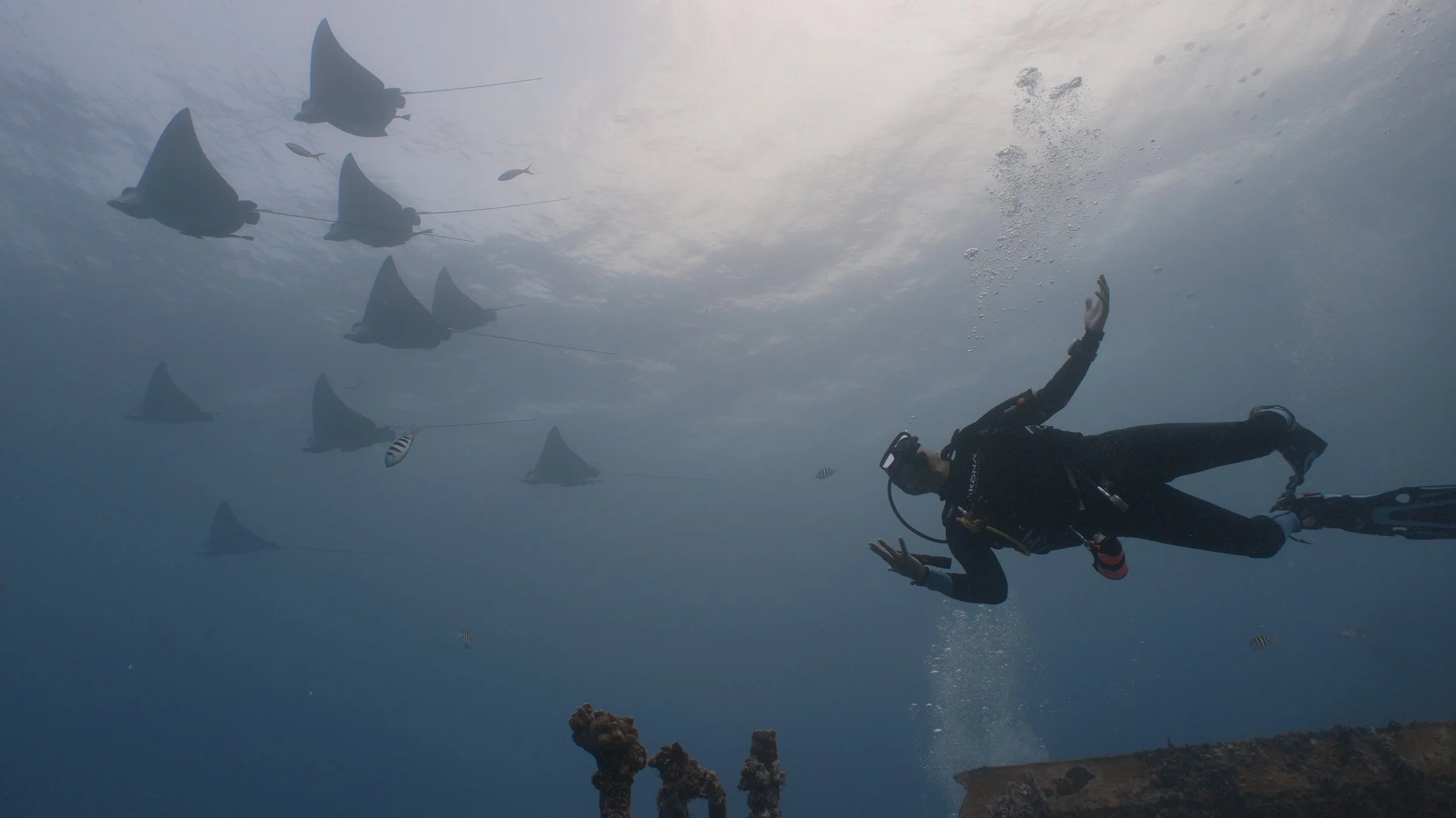
Diving is more fun when you are confident and trained for a variety of sites and situations.
That’s what the PADI Advanced Open Water Diver course is all about. You don’t have to be “advanced” to take it – it’s designed to advance your diving, so you can start right after earning your PADI Open Water Diver certification. The course helps build confidence and expand your scuba skills through different Adventure Dives. You try out different specialties while gaining experience under the supervision of your PADI Instructor. You log dives and develop capabilities as you find new ways to have fun scuba diving.
E-Learning (theory portion) is completed in advance
2 to 3 days of practical learning
5 dives total (6th is optional at additional cost of $60 dollars)
Deep dive and Navigation dives are mandatory. We encourage you to do the Buoyancy dive. You choose 2 specialty dives which interest you most:
AWARE - Fish Identification
Boat Dive
Deep Dive - MANDATORY
Drift Dive - Very useful to learn how to use currents to your advantage
Night Dive ($20 dollars extra, 3 diver minimum)
Peak Performance Buoyancy - STRONGLY RECOMMENDED - this is the class that teaches you to be a better diver!
Underwater Naturalist
Underwater Navigation - MANDATORY
Digital Underwater Photography ($40 dollar camera rental fee)
Wreck Dive

This course gives you all the information you need to safely dive Nitrox and includes:
PADI E-Learn theory via the online platform
2 Ocean dives with Nitrox 32
Hands-on practical learning session
E-card Certification
Learn more about Nitrox: https://blog.padi.com/what-is-nitrox/
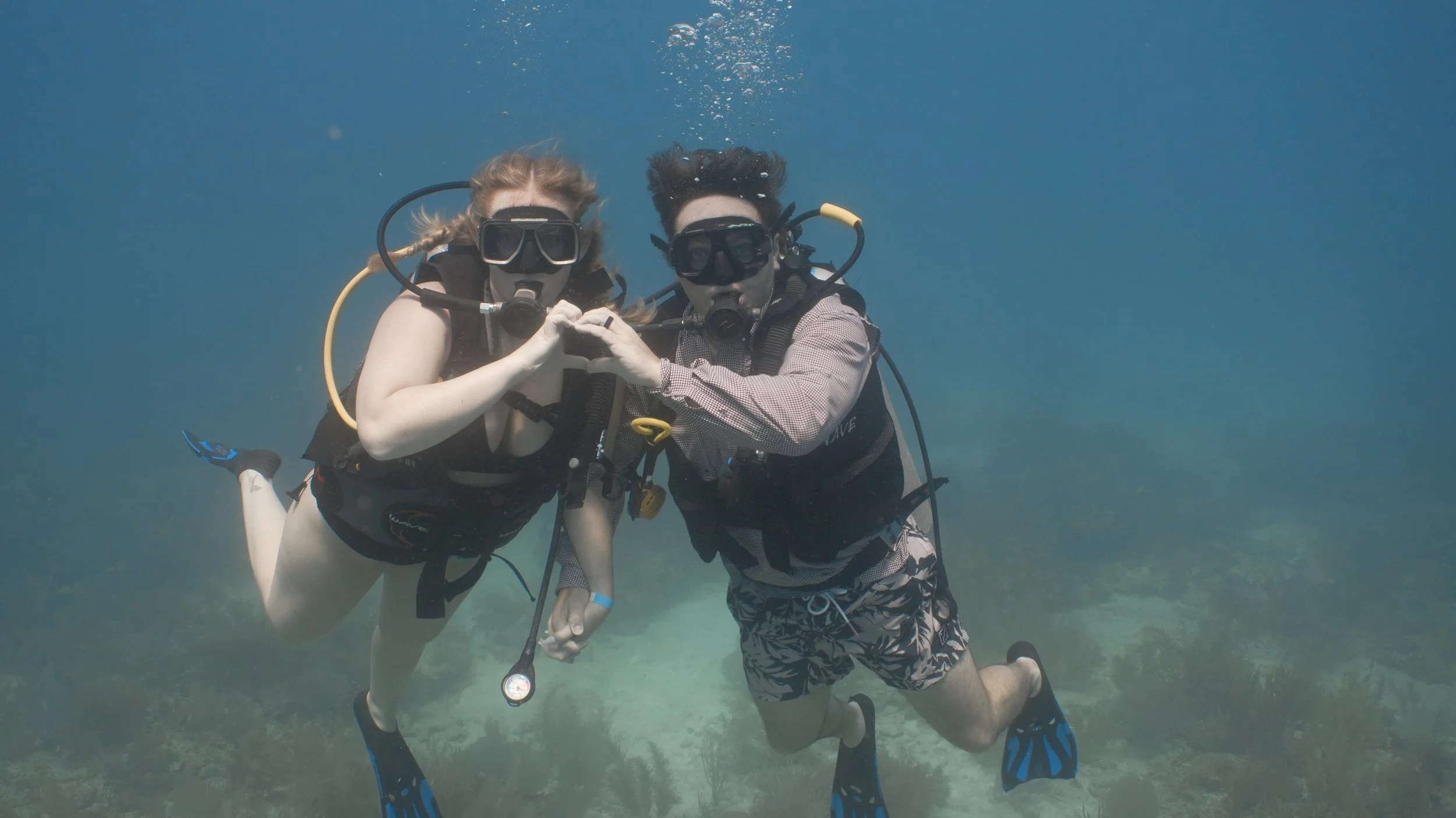
he PADI Rescue Diver course prepares you to deal with dive emergencies, minor and major, using a variety of techniques. Through knowledge development and rescue exercises, you learn what to look for and how to respond. During rescue scenarios, you put into practice your knowledge and skills. Topics include: Self rescue, Recognizing and managing stress in other divers, Emergency management and equipment, Rescuing panicked divers, Rescuing unresponsive divers.